
Anti-Inflammatory Diets: Do They Actually Work?

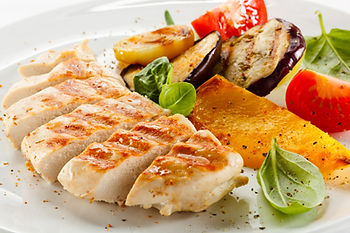
If you’ve spent any time online lately, you’ve probably heard that an anti-inflammatory diet can help with everything from joint pain to fatigue and chronic disease. But how much of that is backed by research, and how much is marketing?
The short answer: Yes, what you eat can influence inflammation, but there’s no magic anti-inflammatory food or perfect diet that fixes everything.
Let’s look at what the evidence actually tells us.
First, what is inflammation?
Inflammation is a normal part of how your body protects itself and heals. When you sprain an ankle or fight an infection, inflammation helps get the job done.
The problem is when inflammation becomes chronic or poorly regulated. This is associated with conditions such as cardiovascular disease, type 2 diabetes, and some inflammatory disorders.
Diet is one factor that can influence this process, alongside physical activity, sleep, stress, genetics, and other aspects of your health.
What does the research say?
Research suggests that certain dietary patterns can improve some markers of inflammation and support long-term health. One of the best-studied examples is the Mediterranean diet.
This approach emphasizes:
Fruits and vegetables
Beans, lentils, and other legumes
Whole grains
Nuts and seeds
Olive oil
Fish and other sources of healthy fats
It also tends to include fewer highly processed foods, sugary drinks, and processed meats. Studies have linked Mediterranean-style eating to improvements in cardiovascular health and, in some cases, inflammatory markers. However, results vary depending on the person, condition, and outcome being measured.
What about pain? The evidence is more mixed. Some people with inflammatory conditions, such as rheumatoid arthritis, may benefit from dietary changes as part of their overall treatment plan. But evidence that an anti-inflammatory diet reliably reduces everyday back pain, neck pain, or joint pain is much less conclusive.
Eating well can support your overall health and recovery, but it isn’t a guaranteed fix for persistent pain.
Do you need to cut out gluten, dairy, or sugar?
Not necessarily.
Unless you have a diagnosed condition, allergy, intolerance, or a clear individual reason to avoid a particular food, eliminating entire food groups isn’t automatically beneficial.
Added sugar and highly processed foods can contribute to a less healthful dietary pattern when they make up a large portion of what you eat. That doesn’t mean you need to avoid every dessert or feel guilty about enjoying your favorite foods.
Instead of focusing on a list of forbidden foods, focus on what you can add to your diet.
One thing to note...
There are some conditions where taking food out of your diet may be necessary to assess if those foods are negatively affecting you. In these situations, cutting gluten, dairy, or added sugars (not sugar containing food like fruit) may be beneficial.
Four practical ways to get started
You don’t need an expensive supplement regimen or a complicated meal plan. Start with a few manageable changes:
1. Add more color to your plate. Fruits and vegetables provide fiber and a variety of vitamins and plant compounds. Frozen produce counts, too.
2. Include fiber-rich foods. Beans, lentils, oats, and other whole grains support gut health and make meals more filling.
3. Choose healthy fats more often. Olive oil, nuts, seeds, and fatty fish such as salmon are useful options.
4. Look at your overall pattern, not one meal. You don’t need to eat perfectly. Consistent habits over time matter more than whether you had a cookie yesterday.
And remember: nutrition is only one piece of the puzzle. Regular movement, adequate sleep, stress management, and appropriate medical care all play important roles in your health.
The bottom line
Anti-inflammatory diets aren’t a miracle cure, but a balanced, Mediterranean-style eating pattern is a reasonable, evidence-supported way to support long-term health.
If you're dealing with persistent pain, changing your diet may be one helpful step, but it shouldn't be the only one. Depending on the problem, a combination of appropriate exercise, rehabilitation, lifestyle changes, and comprehensive evaluation may be more useful than chasing the latest dietary trend.
You don’t need a perfect diet to make progress. Start with small, sustainable changes that help you feel and function better.
What to do next
If you've been dealing with pain and want evidence-based care that isn't based on making you scared to live your life, contact Alameda Chiropractic and Ergonomics today to get the expert guidance that will help you feel and heal better.


Comments